
 |
 |
 |
 |
We have a selection of new and used electric forklifts to choose from at Bk Forklifts Dundalk. |
|
|
Designed for indoor and outdoor use, we have 3 and 4 wheel electric forklift models upto 20 ton capacity. |
|
|
Electric forklifts are the lowest cost to operate among fuel types. |

Electric Forklift
ELECTRIC FORKLIFTS
In Action
At BK Forklifts, our electric forklifts are the smart choice for modern businesses aiming to boost efficiency, cut costs, and reduce environmental impact. Unlike traditional gas- or diesel-powered models, electric forklifts produce zero emissions during operation. This makes them ideal for indoor environments such as warehouses, food processing facilities, and manufacturing plants where air quality matters. Their engines are significantly more efficient than internal combustion engines, helping reduce energy costs over time.
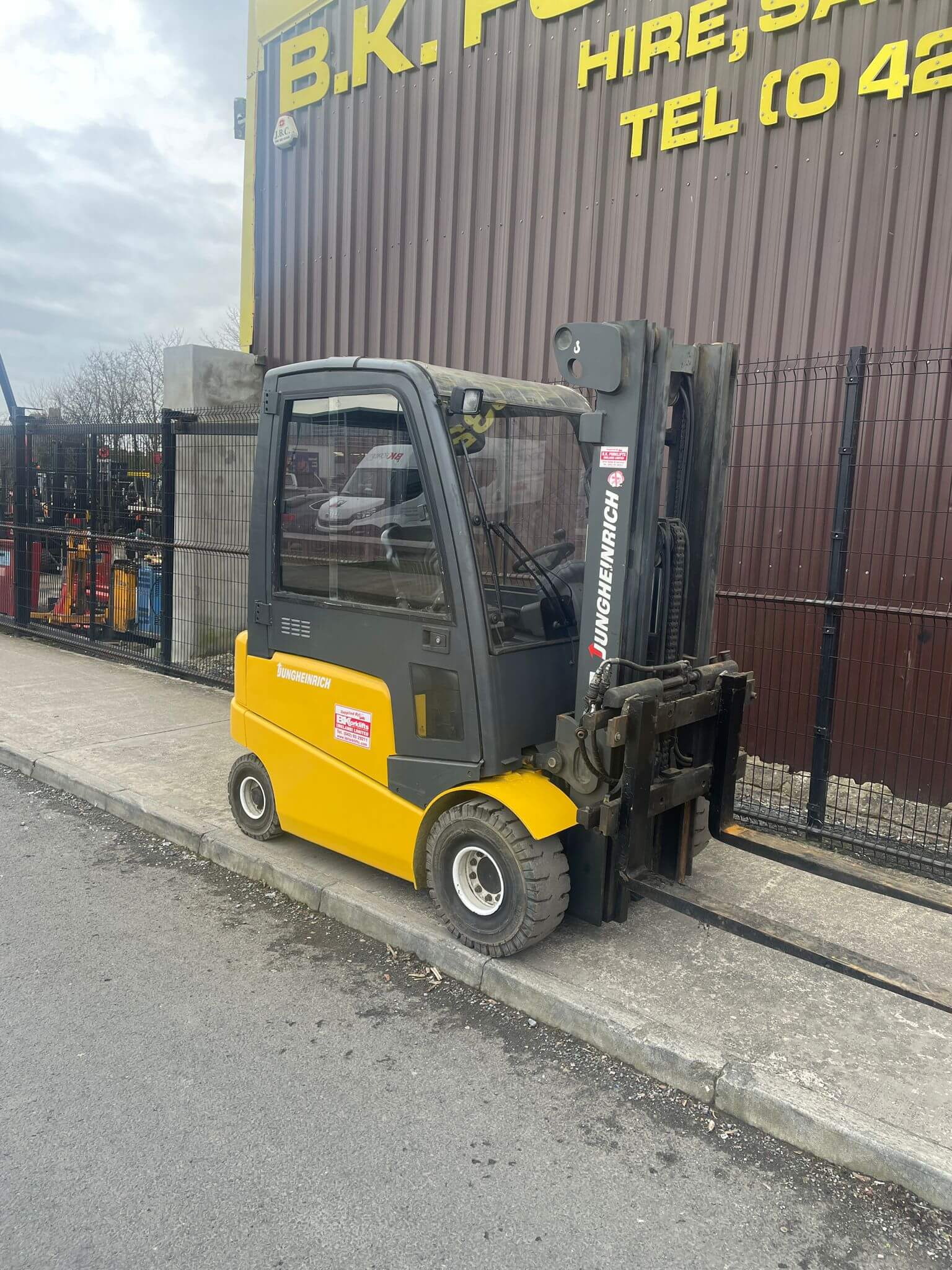
Electric forklifts
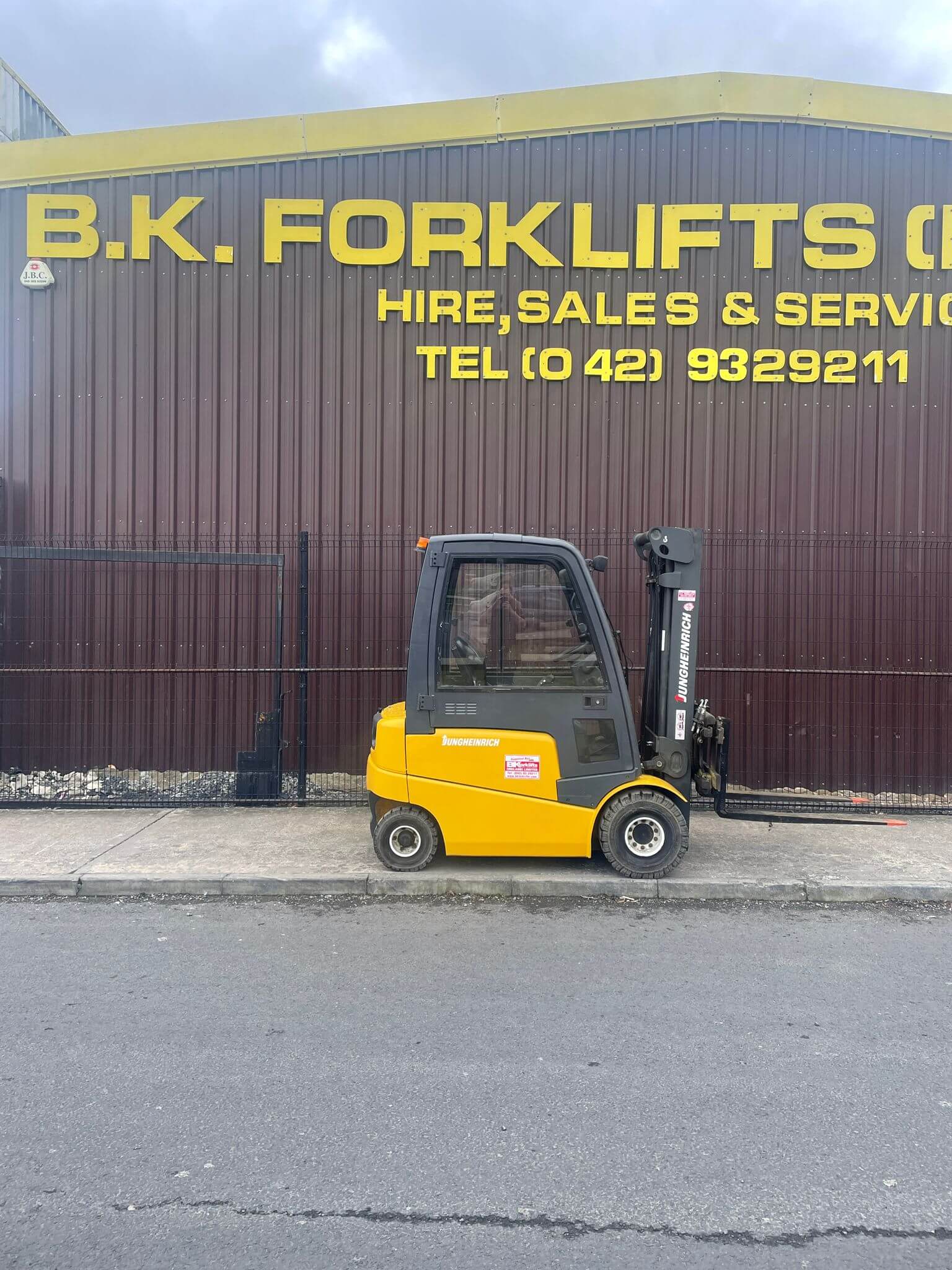
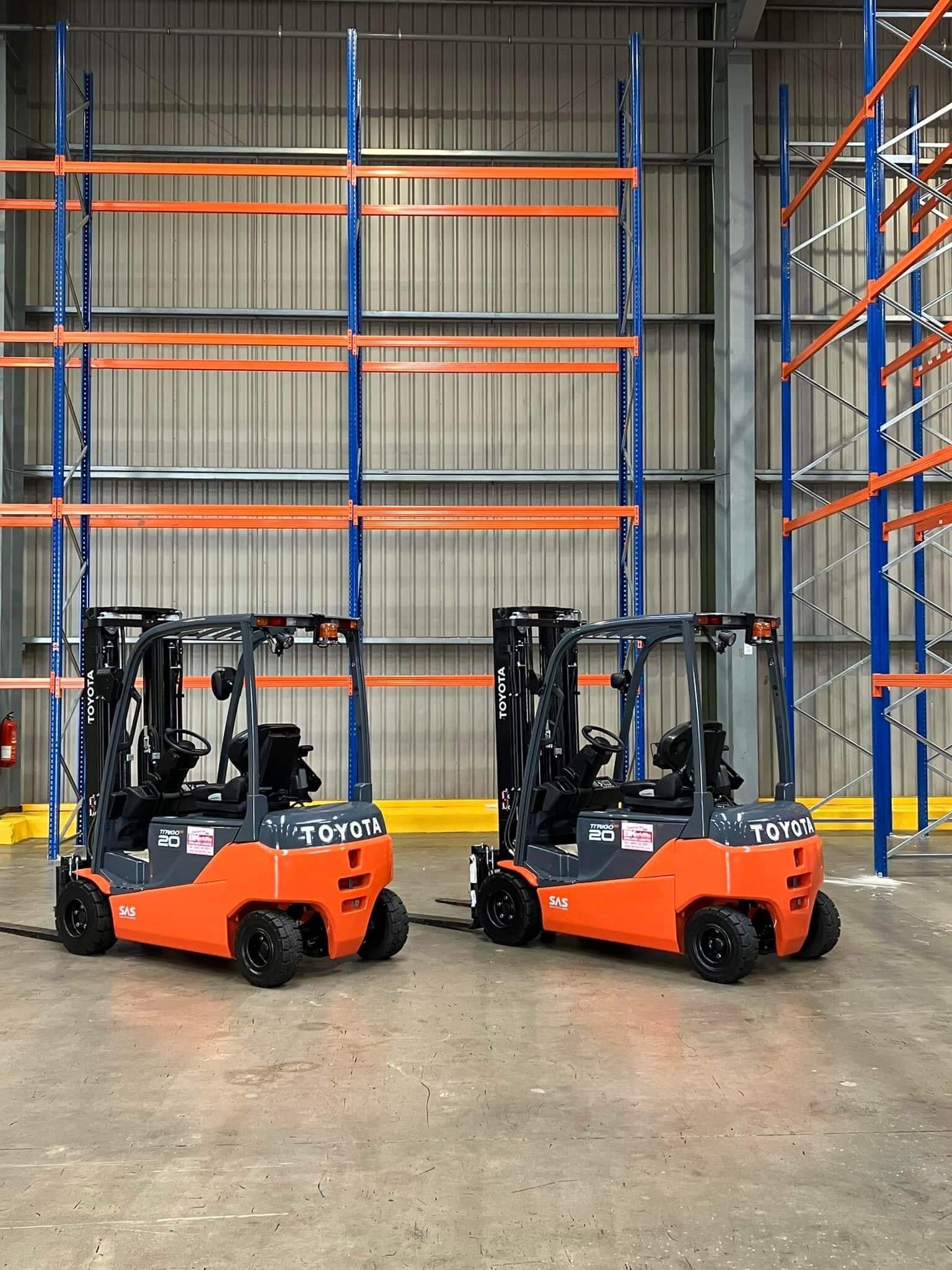
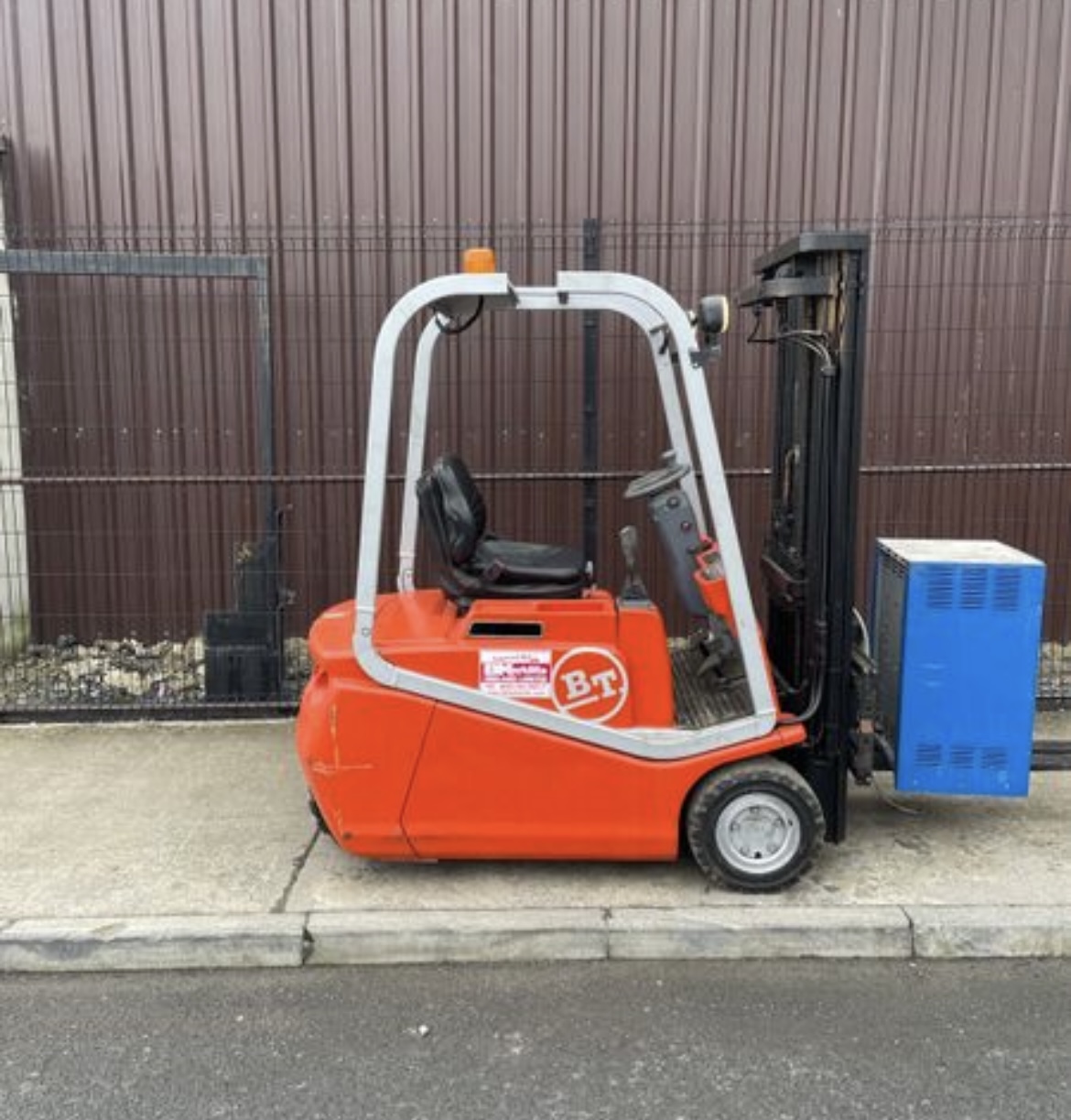
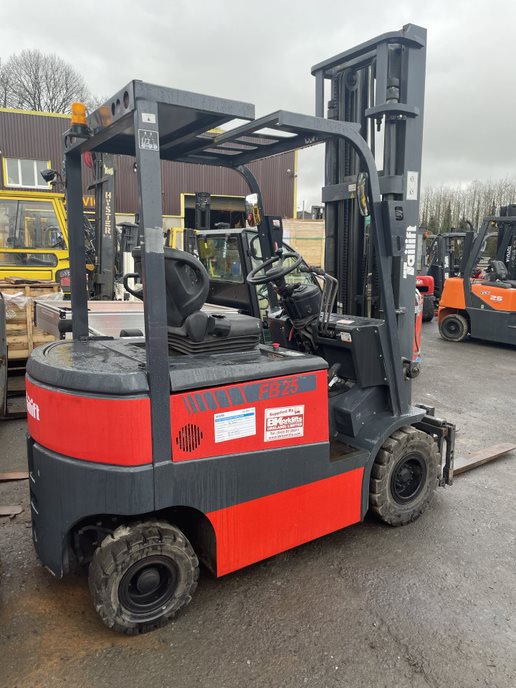
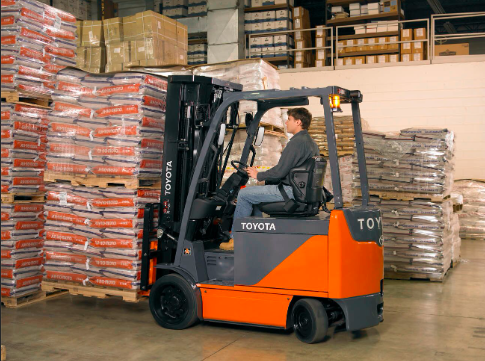
Electric Forklifts
Electric forklifts use electric motors and batteries, while internal combustion forklifts use fuel. They are common in warehouses, distribution centres, manufacturing facilities, and other indoor environments. Here is an overview of electric forklifts:
Advantages of Electric Forklifts:
- Electric forklifts produce zero emissions, making them suitable for indoor use where air quality matters.
- Electric forklifts run quietly and work well in noise-sensitive places.
- Electric forklifts have lower operating costs over time because electricity is often cheaper than fuel. They also have fewer moving parts, reducing maintenance needs.
- Electric forklifts are often more energy-efficient than internal combustion models, allowing longer operating hours between charges.
- Electric forklifts create less vibration and noise. This leads to a more comfortable work environment for operators.
- Electric forklifts remove the need for on-site fuel storage. This improves safety and saves space.
Considerations for Electric Forklifts:
- Electric forklifts are powered by batteries, and battery life affects productivity. Proper management, including regular charging and maintenance, is crucial.
- Adequate charging infrastructure is needed for uninterrupted operation. This includes charging stations and battery changing areas.
- Electric forklifts usually have a higher upfront cost than internal combustion models, but lower operating and maintenance expenses over time can offset this.
- Electric forklifts work best indoors because of their batteries. They may not suit heavy outdoor use or tasks requiring long runtimes.
- Charging electric forklifts takes time, so operations should plan battery charging and rotation to maintain continuous productivity.
- Electric forklifts tend to be heavier because of their batteries, which can affect load capacity and manoeuvrability.
- Eventually, batteries will need to be replaced, which can be a significant expense. Proper maintenance can extend their lifespan.
Electric forklifts come in various sizes and configurations for different applications. When considering one, assess your operational needs, check your charging infrastructure, and calculate potential long-term savings. It is wise to consult with forklift dealers or professionals to find the best model for your requirements.