
 |
 |
 |
 |
We have new and used gas forklifts in stock ready to go |
|
|
LPG is a clean alternative for a powerful truck. |
|
|
A cost effective way of running a forklift compared to diesel |

Gas / LPG Forklift
Gas Forklifts
In Action
Gas forklifts stand out as a favoured option for businesses that require reliable, high-performance lifting in busy warehouse and industrial environments. Gas forklifts — typically powered by LPG (liquefied petroleum gas) — offer the advantage of continuous operation without the need for battery recharging, making them well-suited for demanding, fast-paced workplaces. BK Forklifts supplies both new and used gas forklifts to suit a variety of budgets and operational functions, and backs every machine with comprehensive after-sales support, including on-site and off-site servicing, a large inventory of spare parts, and access to qualified engineers.
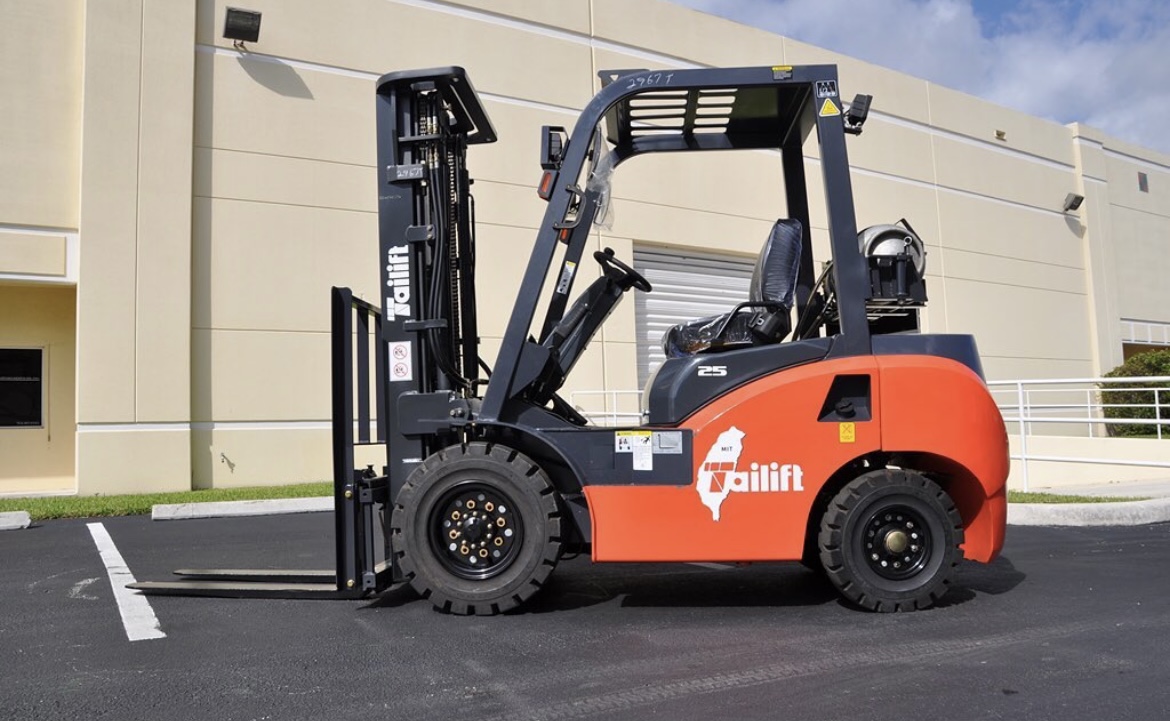
Gas Forklifts
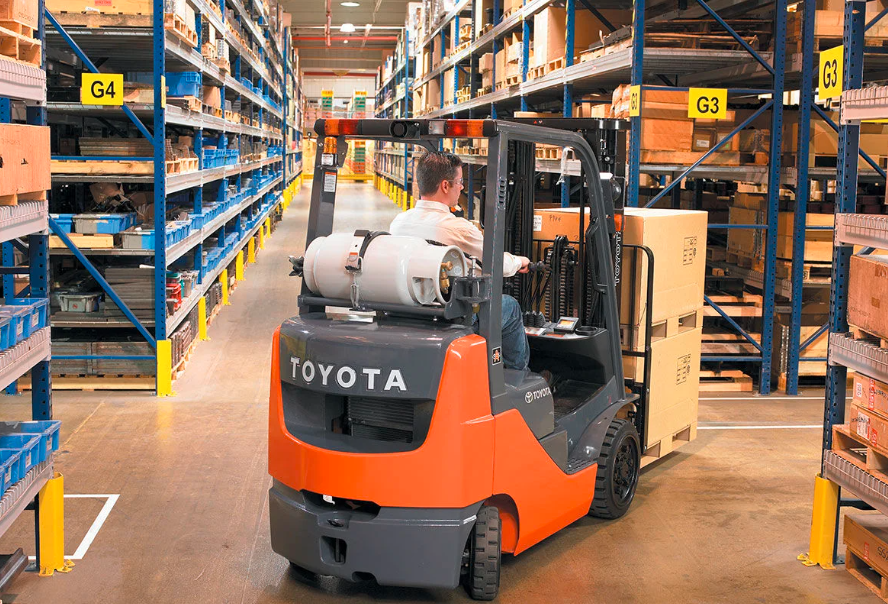
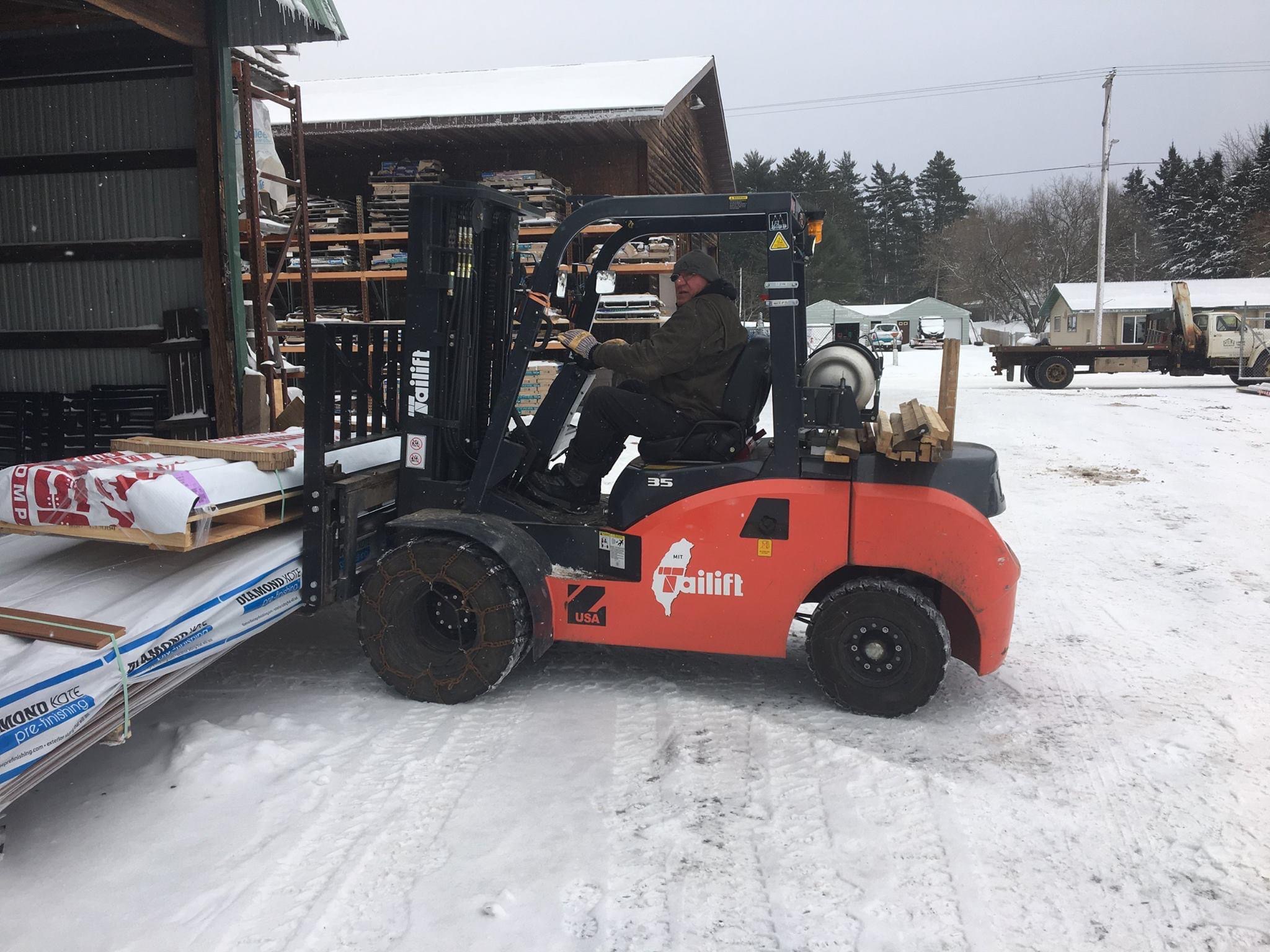
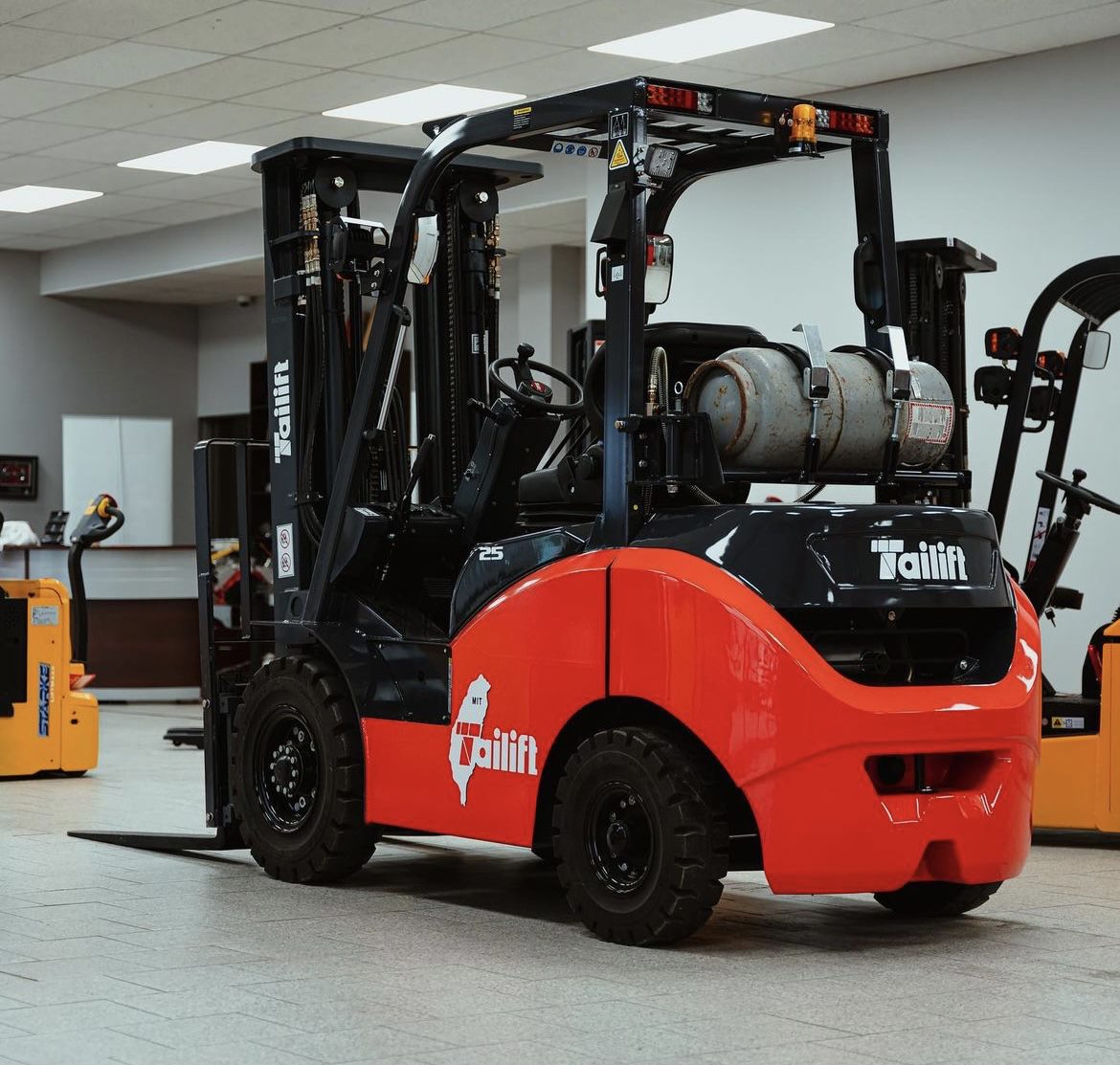
Gas Forklifts
Gas forklifts, also known as LPG (liquefied petroleum gas) forklifts, use internal combustion engines powered by propane. They are commonly used in indoor and outdoor applications, similar to diesel forklifts. Here's an overview of gas forklifts:
Advantages of Gas Forklifts:
- Versatility: Gas forklifts can be used both indoors and outdoors. They produce fewer emissions than diesel forklifts, rendering them appropriate for indoor environments with proper ventilation.
- Fuel Efficiency: Propane is generally more fuel-efficient than gasoline or diesel, resulting in lower operating costs over time.
- Quick Refuelling: Refuelling forklifts with propane is quick and convenient, resulting in minimal downtime.
- Performance: Gas forklifts offer good acceleration, power, and torque, rendering them appropriate for a variety of lifting and handling tasks.
- Durability: Internal combustion engines used in gas forklifts are recognised for their dependability and ability to handle heavy-duty applications.
Considerations for Gas Forklifts:
- Emissions: While gas forklifts produce fewer emissions than diesel forklifts, they still emit exhaust fumes. Proper ventilation is important for indoor use.
- Noise Levels: Gas forklifts are generally quieter than diesel forklifts but may still produce some noise. Noise considerations may be important, especially in noise-vulnerable environments.
- Maintenance: Like other internal combustion engines, gas forklifts require regular maintenance, including oil replacements, filter replacements, and other upkeep.
- Fuel Storage: Gas forklifts require on-site propane gas storage. Proper handling and storage of propane are important for safety.
- Initial Cost: Gas forklifts may have a lower upfront cost compared to electric forklifts. However, consider long-term operating and maintenance costs.
- Indoor Use: While gas forklifts are suitable for indoor use with proper ventilation, be aware of emission and safety issues. Ensure conformity with local rules.
- Emission Regulations: Depending on your location and local rules, there may be restrictions on using gas forklifts, especially in indoor or environmentally sensitive areas.